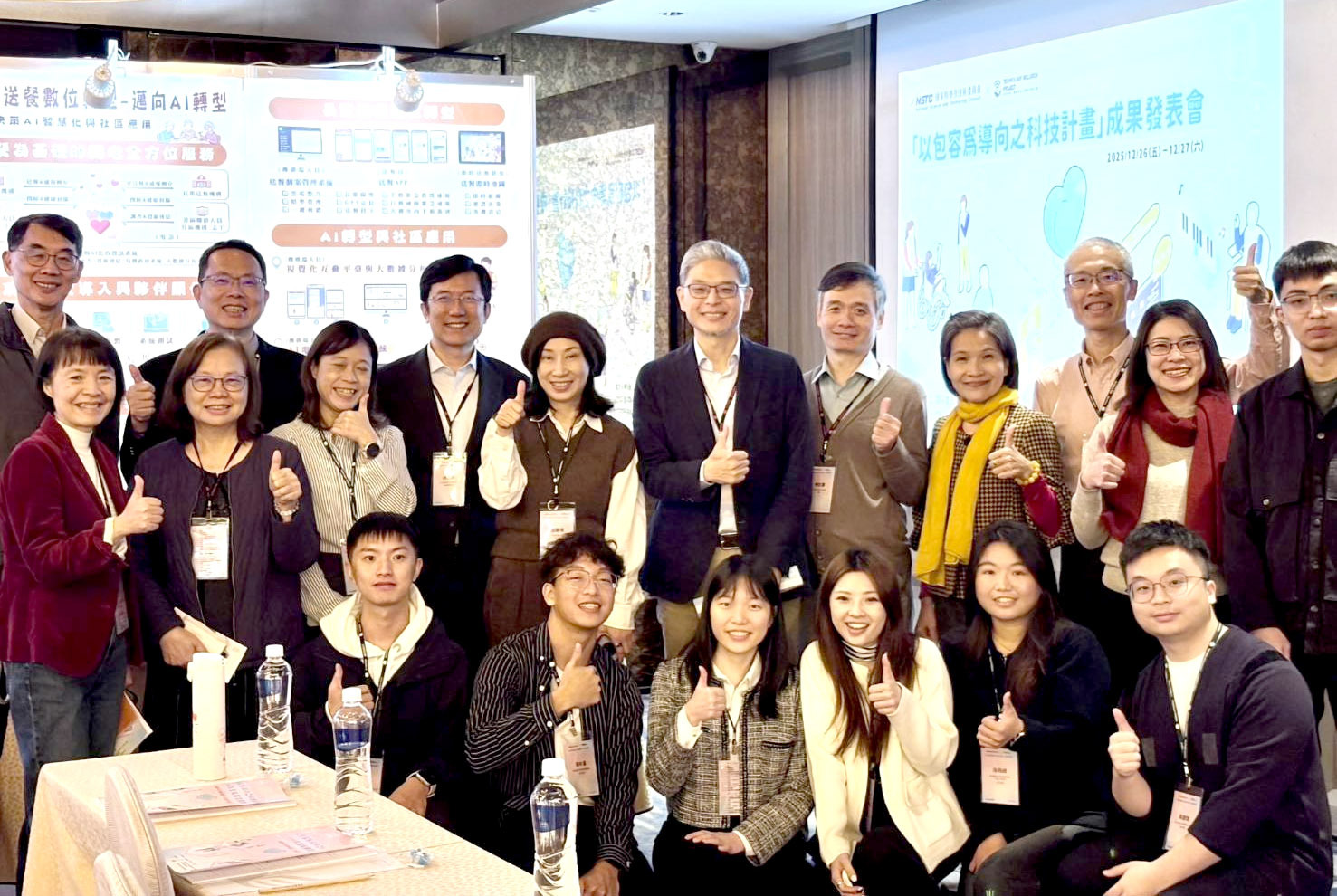
暨大校長武東星表示,「銀巷食光2.0」是暨大長期深耕地方、落實社會包容的重要里程碑。武校長強調,研發應以提升人類福祉為目標,具備以人為中心的普惠科技精神,以及社會實踐的勇氣。暨大發揮人文與科技兼具的優勢,跨入社福場域,與政府及社會攜手面對超高齡社會的挑戰。這項計畫落實國科會提倡的「包容科技」價值,透過即時送餐關懷系統,協助機構與社區單位接住更多長輩。
戴榮賦教授指出,系統導入送餐機構後,顯著提升送餐服務的效能、韌性與品質。更重要的是,透過數位化管理,機構能建立更高標準的「責信度」(Accountability),確保每個便當都能確實送達長輩手中。目前弗傳慈心基金會、老五老基金會、紅心字會等機構皆已導入運用,協助執行個案管理、送餐管理、關懷問候等工作,讓第一線社工與志工有更多時間投注於與長輩的互動及陪伴,同時減少餐食浪費、節省行政人力與營運成本。
NCNU President Wu Tung-Hsing stated that “Silver Alley Dining Time 2.0” marks an important milestone in the university’s long-term commitment to local communities and the promotion of social inclusion. President Wu emphasized that research and development should aim to improve human well-being, embodying the spirit of people-centered, inclusive technology and the courage to put social responsibility into practice. Drawing on its strengths in both the humanities and technology, NCNU has extended its efforts into the social welfare sector, working alongside government agencies and community organizations to address the challenges of a super-aged society. The initiative puts into practice the value of “inclusive technology” advocated by the National Science and Technology Council (NSTC). Through a real-time meal delivery and care system, it helps institutions and community organizations provide support to more older adults.
Professor Tai Jung-Fu noted that since the system was introduced by meal delivery organizations, it has significantly improved the efficiency, resilience, and quality of meal delivery services. More importantly, digital management enables these organizations to establish higher standards of accountability, ensuring that every meal reaches its intended recipient. Organizations that have adopted the system include the Fu Chuan Tzu Hsin Foundation, the Lao Wu Lao Foundation, and the Red Heart Association. The system supports tasks such as case management, meal delivery management, and welfare check-ins. This allows frontline social workers and volunteers to devote more time to interacting with and accompanying older adults, while also reducing food waste, administrative workload, and operating costs.