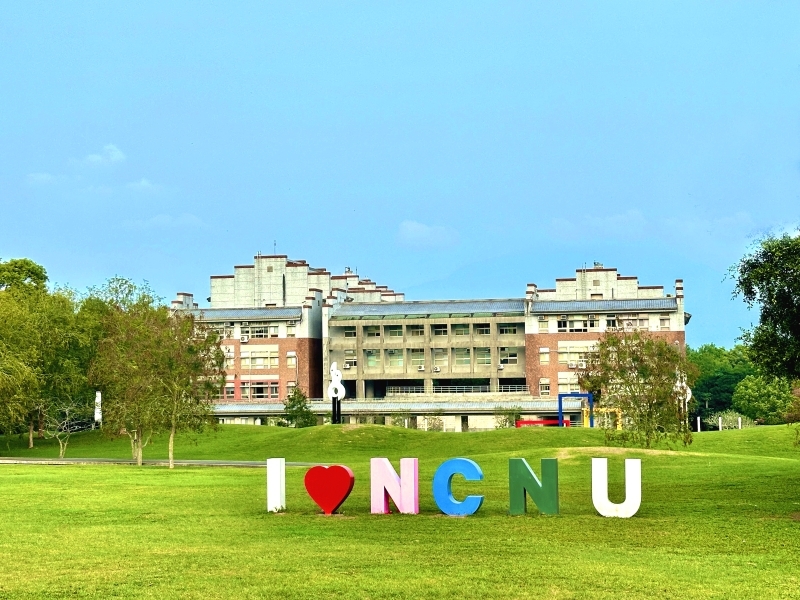
暨大校長武東星表示,暨大今年適逢創校三十週年,能在此刻迎來「30+大學」計畫核定「全壘打」意義非凡。武校長強調,本次獲准開設的「人文跨域與身心韌性」、「觀光餐旅產業鏈結與創新」、「健康福祉科技」及「健康自立樂活」等四個學分學程,是結合校內中國語文、觀光休閒與餐旅管理、護理三大專業學系力量,將「全人健康、生涯轉型、社會連結、高齡照護」四大主軸具體落實為實戰知識,協助30歲以上的民眾在職涯轉型或探索人生第二春時,能擁有最堅強的學術後盾。
針對成年學習者最關心的修業彈性,暨大副校長楊振昇指出,本計畫的核心競爭力在於「彈性學分累積制」。每個學程規劃12至18學分,內容兼具文化素養與實際應用價值;更重要的是,學員可以根據自己的生活節奏自由選課,只要在長達10年的修業期限內累積滿128學分,即可取得國立大學正式學士學位。楊副校長強調,這種設計打破了傳統修業的時間壓力,讓學習真正融入生活,實踐「活到老、學到老」的終身學習精神。
NCNU President Wu Tung-Hsing stated that this year marks the university’s 30th anniversary, making the approval of all four proposed programs under the “30+ University” initiative particularly meaningful. He emphasized that the four newly approved credit-bearing programs—Interdisciplinary Humanities and Mind-Body Resilience, Tourism and Hospitality Industry Connections and Innovation, Health and Well-being Technology, and Healthy Independent Living and Active Aging—combine the expertise of three departments at NCNU: Chinese Language and Literature, Tourism, Leisure and Hospitality Management, and Nursing. Together, they translate four key themes—holistic health, career transition, social connection, and elderly care—into practical knowledge and skills. The programs aim to provide people aged 30 and above with strong academic support as they navigate career transitions or explore new possibilities in the next stage of their lives.
Addressing adult learners’ primary concern regarding flexibility in completing their studies, NCNU Vice President Yang Chen-Sheng explained that the program’s core strength lies in its flexible credit accumulation system. Each program comprises 12 to 18 credits and combines cultural literacy with practical applications. More importantly, participants can select courses according to their own schedules and pace of life. By accumulating a total of 128 credits within the maximum study period of 10 years, they can obtain an officially recognized bachelor's degree from a national university. Vice President Yang emphasized that this arrangement removes the time pressure associated with traditional degree programs, allowing learning to become an integral part of everyday life and putting the spirit of lifelong learning—“learning throughout one's life”—into practice.