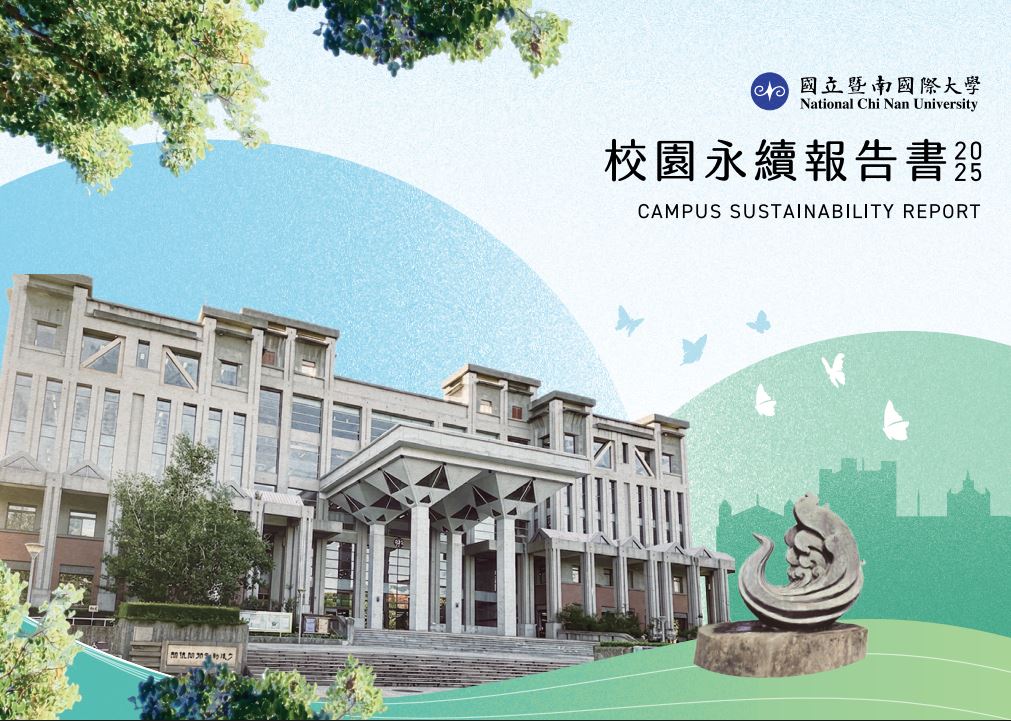
國立暨南國際大學持續將永續發展目標(SDGs)融入課程教學、跨領域學習及社會參與活動,並透過學生學習成效評估機制,掌握相關課程對學生能力發展之影響,作為教學改進與課程優化之依據。此項作法反映本校以制度化方式檢視學生在永續相關學習中的能力養成情形。
依據《2025年校園永續報告書》,本校於113學年度第2學期針對358名修讀社會參與學習課程的學生,進行共通職能前後測評估。評估項目包括問題解決、團隊合作、溝通表達、責任感及資訊科技應用等能力,用以瞭解學生在參與社區實作與永續議題學習後之能力變化,並作為課程設計、教學實施及學習支持調整的重要參考。
社會參與學習課程為本校推動 SDGs 教育的重要方式之一,強調學生透過實地踏查、社區合作與問題導向學習,將知識應用於真實情境。透過前後測評估,本校得以系統性掌握學生在實作型永續學習中的能力成長情形,並持續提升教育成效。
本頁內容依據《2025年校園永續報告書》相關公開資訊整理。
National Chi Nan University (NCNU) integrates the Sustainable Development Goals (SDGs) into teaching, interdisciplinary learning, and community-engaged education, and it uses student learning assessment mechanisms to understand how these learning experiences influence student development. This approach reflects the university’s effort to monitor learning outcomes related to sustainability-oriented education and to use the results for course improvement.
According to NCNU’s 2025 Campus Sustainability Report, the university conducted pre- and post-course competency assessments in the second semester of Academic Year 2024–2025 for 358 students enrolled in community-engaged learning courses. The assessment examined competencies including problem-solving, teamwork, communication, responsibility, and information technology application. These results were used to understand changes in student competencies after participating in community-based and sustainability-related learning experiences, and to support continuous teaching improvement.
Community-engaged learning is one of NCNU’s key approaches to SDG education, linking classroom knowledge with fieldwork, local partnership, and real-world problem solving. Through pre- and post-course assessment, NCNU is able to systematically review student development in sustainability-related experiential learning and strengthen the effectiveness of its educational practice.
The information on this page is compiled from publicly disclosed data in NCNU’s 2025 Campus Sustainability Report.