國立暨南國際大學持續公開揭露聯合國永續發展目標(SDGs)之推動成果,並透過《2025年校園永續報告書》及校內公開資訊說明 SDG 11「永續城市與社區」之年度進展。本校推動重點涵蓋社區參與、文化與自然資產保存、地方防災韌性、永續交通及地方產業合作,持續透過教學、研究及實作參與地方永續發展。
在社區參與及文化與自然資產保存方面,2025年本校結合社會參與課程與地方實作場域,分別有47人參與茶文化及農業實作,35人參與老屋活化與文化保存學習。桃米地區之生態保育及食農教育活動累計超過180人次參與,透過環境教育、在地文化及社區協作,提升對自然資產與地方特色的認識與保存意識。
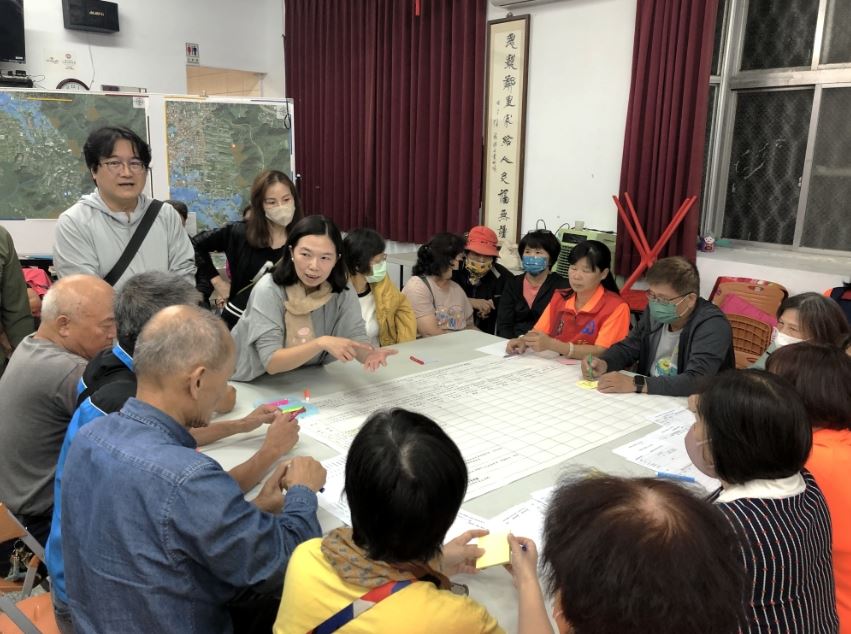
在地方韌性與防災合作方面,本校與埔里鎮公所、地方社區及防災志工合作,參與2025年城鎮韌性災害防救聯合演練,內容包括疏散引導、避難收容及社區應變訓練,強化在地防災網絡與社區韌性。
在地方產業合作與永續發展方面,本校管理學院 USR 計畫持續推動水沙連產業永續發展,建立33個產業及社區合作夥伴網絡,2025年有19位教師及325位學生參與相關實踐活動,聚焦咖啡產業、綠色餐飲及永續旅遊等議題,促進地方創生、社區共創及永續經濟發展。
此外,本校亦持續提供校園公車及公共運輸支持措施,提升交通可及性並鼓勵低碳移動。另透過如「2025水沙連親子共學嘉年華」等活動,結合教育、社區參與及地方合作,擴大永續社區之實踐影響。
本頁內容依據《2025年校園永續報告書》及本校公開網站資訊整理。
National Chi Nan University (NCNU) publicly discloses its progress on the Sustainable Development Goals (SDGs) and reports annual results related to SDG 11: Sustainable Cities and Communities through its 2025 Campus Sustainability Report and other publicly available university information. NCNU’s work focuses on community participation, protection of cultural and natural assets, local disaster resilience, sustainable mobility, and local industry collaboration, demonstrating the university’s continuing role in regional sustainable development.
In community engagement and the protection of cultural and natural heritage, NCNU integrated community-based learning into teaching and field practice in 2025. A total of 47 participants joined tea culture and agricultural practice activities, while 35 participated in heritage preservation and historic building revitalisation learning. Ecological conservation and food education activities in the Taomi area recorded more than 180 participations, strengthening awareness of local natural assets, environmental education, and community-based sustainability.
In local resilience and disaster preparedness, NCNU collaborated with Puli Township Office, community partners, and disaster prevention volunteers in the 2025 township resilience and disaster response exercise. Activities included evacuation guidance, shelter management, and community emergency response training, helping strengthen local disaster preparedness networks.
In local industry collaboration and sustainable development, NCNU’s College of Management USR programme continued to promote sustainable development in the Shui Sha Lian area. The programme maintained 33 industry and community partnerships, with 19 faculty members and 325 students participating in practical initiatives related to coffee, green dining, and sustainable tourism. These efforts supported local revitalisation, community co-creation, and regional sustainability.
NCNU also continued to provide campus shuttle and public transport support measures to improve transport accessibility and encourage lower-carbon mobility. Activities such as the 2025 Shui Sha Lian Family Learning Festival further connected education, community participation, and local partnership for sustainable community development.
The information on this page is compiled from NCNU’s 2025 Campus Sustainability Report and related public university webpages.
相關連結:
1.2025永續報告書
https://environ.ncnu.edu.tw/p/405-1020-36500,c3620.php?Lang=zh-tw
https://environ.ncnu.edu.tw/var/file/20/1020/img/843/290036603.pdf
2.SDG11永續進度與水沙連產業永續發展計畫
https://sdgs.ncnu.edu.tw/tw/news-detail/88
3.埔里鎮跨域聯手建構在地韌性防災網絡
https://hisp.ntu.edu.tw/report_paper?id=612
4.2025水沙連親子共學嘉年華
https://www.ncnu-edulab.org/2025/05/2025.html