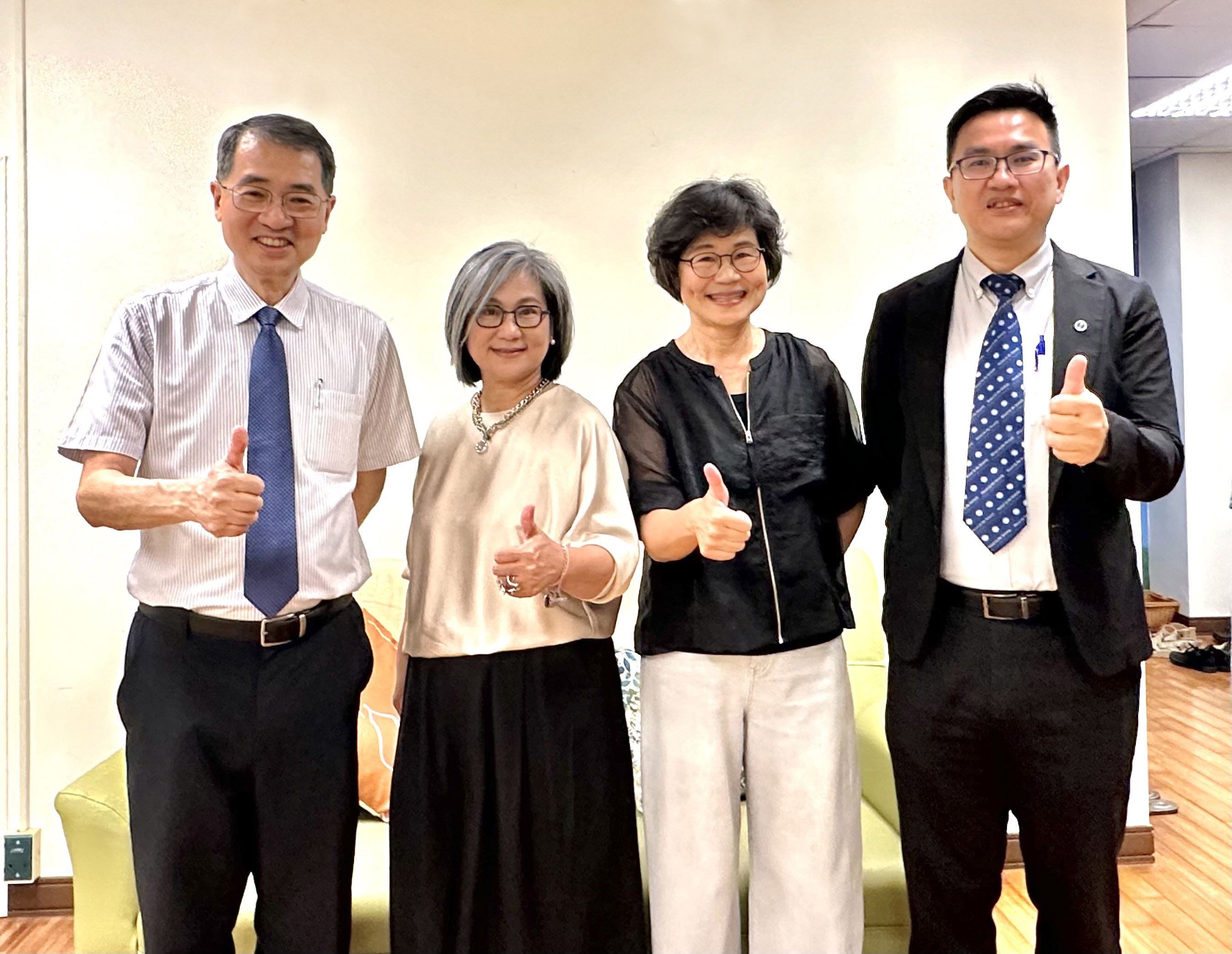
暨大校長武東星表示:「『穿山甲的療心室』的成立,不僅體現了暨大『大學社會責任』(USR)的精神,更是本校積極回應在地社會需求的具體行動。南投地區長期缺乏專業心理資源,暨大作為諮商心理師的培育搖籃,有責任主動肩負起社會正義的理念,將專業能量與社會服務網絡從校園核心向南投各地擴散,實踐在地心理健康與性創傷復原支持體系之永續發展。」
「穿山甲的療心室」由暨大諮人系沈慶鴻教授主持,以暨大校園內的保育類動物「穿山甲」命名,取其「外表堅硬粗糙、內部敏感纖細」的特質,呼應性創傷倖存者在復原路上的內外掙扎,並以「療心室」凸顯其創傷療癒的服務定位。沈教授指出,南投沒有諮商師公會;2023年全國兒少性侵通報人數5160件,原住民兒少通報數量為642件(12.4%);而南投兒少性侵通報人數為160件,原住民兒少性侵害通報為50件(31.3%),高出全國平均的2.5倍,顯見該議題在原鄉亟待被重視與解決。
NCNU President Wu Tung-Hsing stated, “The establishment of the Pangolin Healing Center not only embodies the spirit of National Chi Nan International University’s University Social Responsibility (USR) initiative but also represents concrete action taken by the university to actively respond to the needs of local communities. Nantou has long faced a shortage of professional psychological support resources. As an institution dedicated to training counseling psychologists, NCNU has a responsibility to proactively uphold the principles of social justice by extending its professional expertise and social service networks beyond the campus to communities throughout Nantou. Through these efforts, we aim to establish a sustainable support system for local mental health and recovery from sexual trauma.”
The Pangolin Healing Center is directed by Professor Shen Ching-Hung of NCNU’s Department of Counseling Psychology and Human Resource Development. The center is named after the pangolin, a protected species found on the university campus. The pangolin’s distinctive characteristics—“a hard, rough exterior and a sensitive, delicate interior”—reflect the internal and external struggles experienced by survivors of sexual trauma throughout their recovery journeys. The term “Healing Center” further highlights its mission of providing trauma-informed healing and support services.
Professor Shen pointed out that Nantou currently lacks a professional association of counseling psychologists. According to 2023 statistics, Taiwan recorded 5,160 reported cases of sexual assault involving children and adolescents nationwide, of which 642 cases (12.4%) involved Indigenous children and adolescents. In Nantou, there were 160 reported cases involving children and adolescents, including 50 cases (31.3%) involving Indigenous children and adolescents. This proportion is approximately 2.5 times the national average, highlighting the urgent need to address and resolve this issue in Indigenous communities.